
High-Performance Electrical Insulation Materials for dielectric protection
Need to create a foil, film, foam, or paper electric barrier? Need an assembly-friendly way to shield and protect sensitive components in connected electronics systems? JBC Technologies can help!
We have extensive experience sourcing, die cutting, and converting many electrical insulation materials with varying mechanical and physical properties, including foils, foams, dielectric papers, polyimide (Kapton®) films, and flame-resistant papers such as Nomex®. From EV battery arc prevention to insulating aerospace and medical electronics, JBC supplies die-cut electrical insulation components for a wide range of industries.
Do you have a project that requires die-cut electrical insulation?
Dielectric Films, Foils, Foams, and Papers Electrical Insulation Materials We Convert
Our extensive supplier base, process engineering expertise, and advanced, vertically integrated converting capabilities enable us to transform a wide variety of flexible electrical insulation materials into usable, custom die-cut components. Read below to learn about the various types of electrical insulation materials we convert.
For a more extensive list of materials, check out our electrical insulation data sheets page!
Conductive Foils

Often used for thermal and electrical shielding applications, die-cut foils can be embossed, micro-perforated, laminated to a pressure-sensitive adhesive, a heat-activated film, or a combination of all the above. Conductive foils, like aluminum or copper, are not dielectric, but are often part of an electrical insulation system. They're frequently laminated to dielectric materials like films, foams, and papers, to add a shielding layer to create a robust electrical insulation solution.
Vulcanized Fibers/Fishpaper
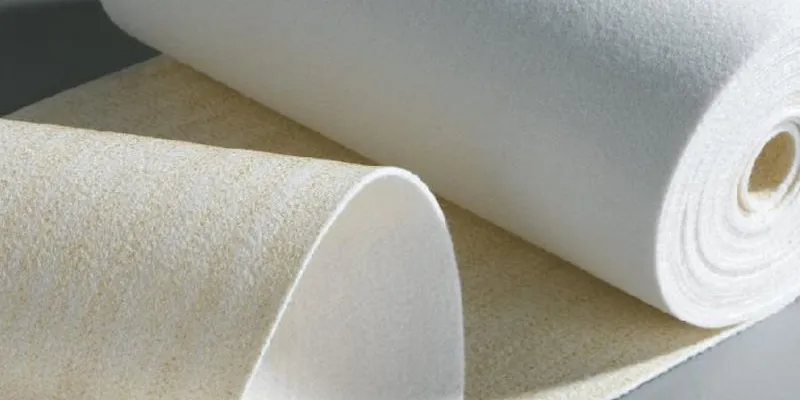
Fishpaper is one of the earliest used electrical insulators. It is a vulcanized cellulose fiber material with good mechanical properties and wear resistance that is both durable and flexible. In the late ‘60s, DuPont introduced Nomex®, an aramid fiber paper. Since its introduction, Nomex® has become the standard for dielectric paper. All dielectric papers are hygroscopic. As paper absorbs moisture, it will change in both dimensional and physical property characteristics. Dupont has extensively tested and reported on the effects of moisture on Nomex®. Learn more about Nomex here.
Dielectric Films

Dielectric films are an effective alternative to paper. Many non-conductive plastic films are used as electrical insulators. A very well-known film is DuPont Mylar®. Although much less susceptible to moisture than fiber insulators, properties are slightly affected under extreme humidity changes. For extreme temperature applications, DuPont Kapton® is a polyimide film with excellent properties that can perform over a very wide temperature range, but that performance comes at a higher relative cost compared to other materials. One of the lower-cost, high-performance films is ITW Formex®. This polypropylene film is non-hygroscopic with extremely good dielectric strength and is UL94-V0 rated for non-flammability.
Dielectric Foams
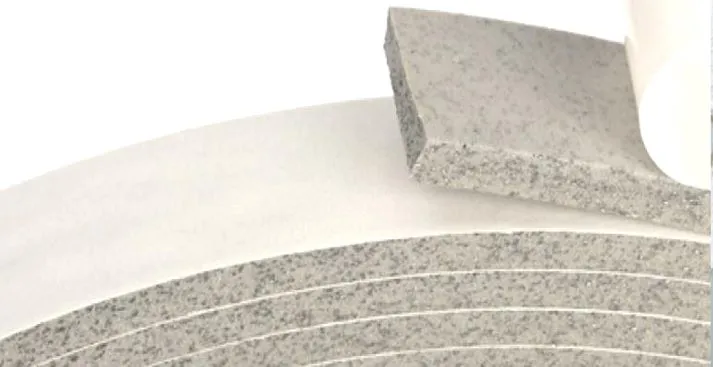
Open- and closed-cell dielectric foams can be used to manage creepage and clearance in electronic systems due to their low moisture absorption, consistent dielectric performance, and gap-filling/gasketing capabilities, while also commonly providing the ancillary benefit of compression or vibration management. Types of dielectric foams that JBC converts include polyethylene (Volara® from Sekisui), EVA (Evazote® from Zotefoams), polyurethane (Rogers Poron®), silicone (Rogers BISCO® HT Series), and more. Pressure-sensitive adhesives (PSAs) can also be easily added to the back of die-cut foams, creating an electrically insulative gasket that sticks directly to a wide variety of substrates.
Electrical Insulation Material Q&A
JBC sources electrical insulation materials from a diverse list of industry-leading material manufacturers. Because we adhere to a vendor-agnostic sourcing strategy, we're able to work with material suppliers across the industry to source the right electrical insulation material for your project.
No, JBC does not typically supply rolls of raw electrical insulation materials. Being a custom die-cutter and flexible materials converter, our specialty is taking raw materials and transforming them into usable components, not supplying any raw materials themselves.
Yes, adhesive-backed electrical insulation components, like dielectric gaskets, are an application JBC commonly supports. As a vertically integrated converter, we can laminate, slit, and die-cut materials in-house, yielding multi-layered components, like adhesive-backed gaskets.
As a custom die-cutter and converter, our minimum order quantity varies from project to project, depending on the specific material chosen, the dimensions of the desired component, and the processing required.
To see if your project meets our minimum order quantity requirements, request a quote today!
Keep Reading: More Info on Electrical Insulation

Partner with a Cutting-Edge Flexible Materials Converter
For more than 30 years, JBC Technologies has die cut electrical insulation materials. Our extensive manufacturing capability combined with extensive product design knowledge ensures an unbiased and collaborative approach, yielding the best, most cost-effective solution for our customers.