
Managing Creepage and Clearance with Custom Die-Cut Dielectric Barriers to prevent arcs and short circuits
As a 3M™ Preferred Converter, JBC Technologies converts raw Kapton, 3M™ FRB barriers, dielectric foams, PSA-backed multi-laminate films, and other flexible materials into assembly-ready die-cut electrical insulation parts that create physical dielectric barriers to electrically isolate conductive components.
From busbar isolation in EVs to dielectric barriers in satellite solar arrays, JBC leverages advanced converting capabilities to provide complex, value-added die-cut electrical insulation components that meet critical industry-specific requirements like UL94 flame ratings, low outgassing, and high-temperature resistance.
Are you looking for assembly-ready dielectric barriers in any upcoming projects?
Create Dielectric Barriers in High Voltage Systems with Custom Die-Cut Electrical Insulation
What is Die-Cut Electrical Insulation?
Die-cut electrical insulation refers to custom-converted dielectric films, adhesives, multi-layer laminates, and other flexible materials that are used to create thin dielectric barriers between conductive components in high-voltage density environments.
Custom die-cut electrical insulation prevents direct “conductor-to-conductor" or “conductor-to-chassis" shorts, helping extend creepage and clearance distance to reduce the risk of dangerous arcs or shorts.
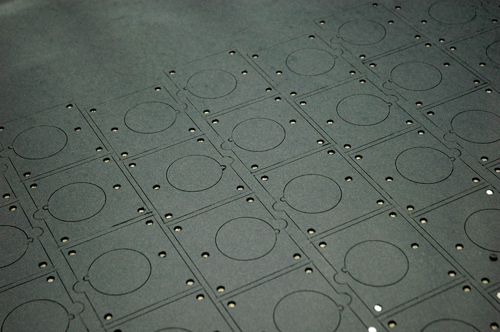

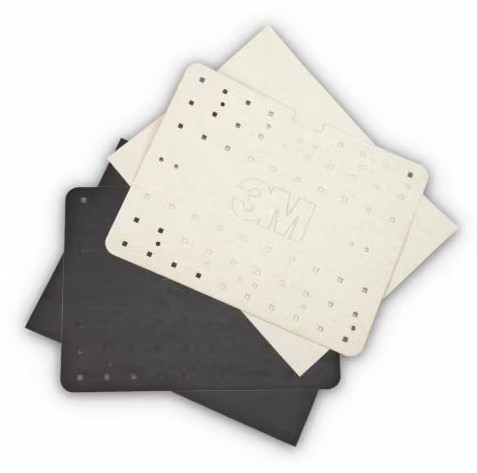
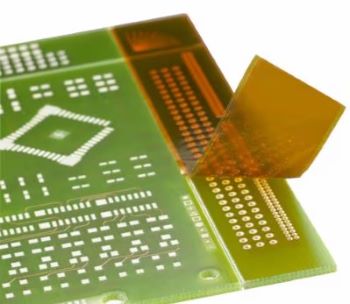
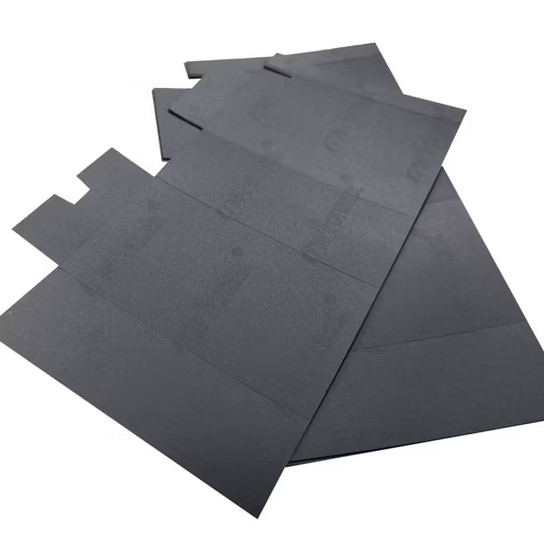

The Role of a Precision Converter
The job of an experienced converter, like JBC Technologies, is to bridge the gap between raw material and functional, assembly-ready components. Using value-added die-cutting and converting capabilities, we transform rolls of dielectric materials into custom die-cut solutions that help manufacturers manage creepage and clearance requirements in compact electronics compartments.
JBC adds value through:
to create a component that solves multiple challenges in a single product footprint (SKU).
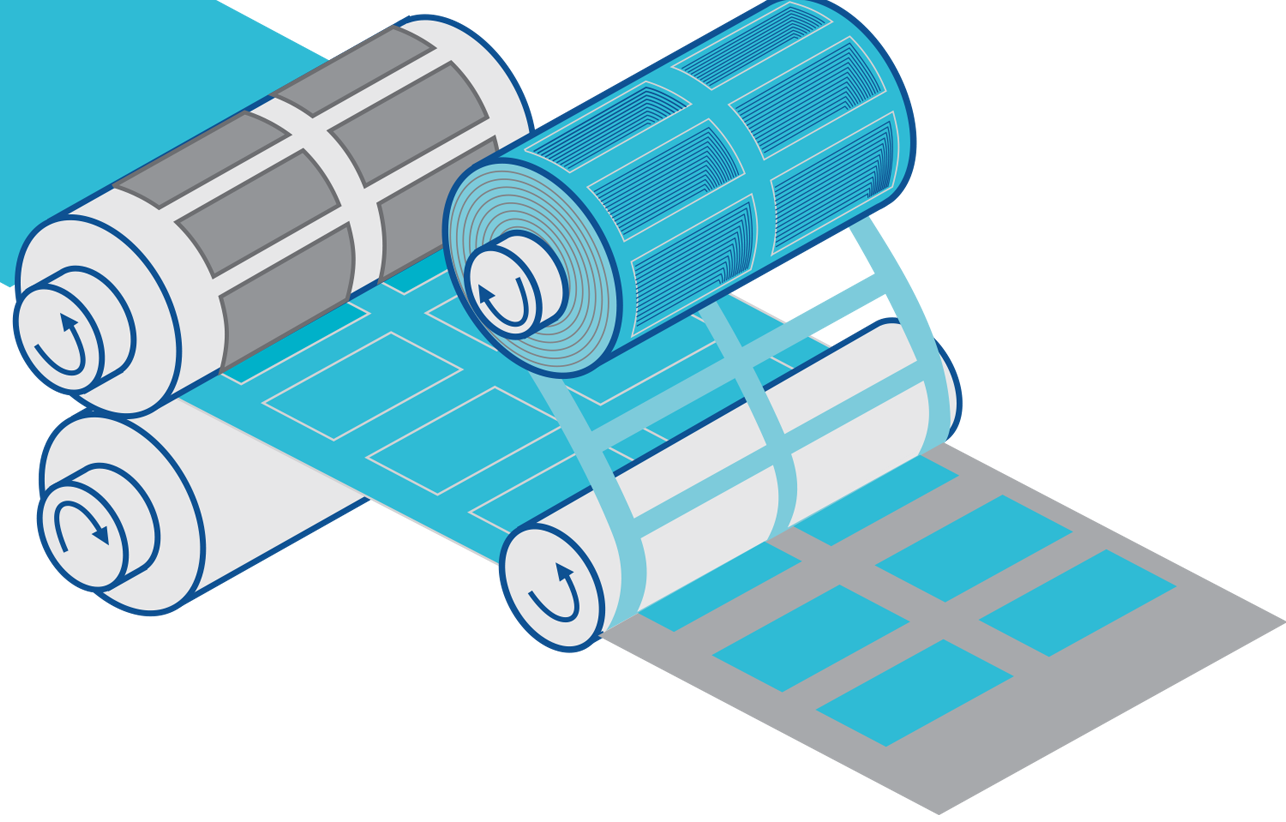
for millions of dimensionally identical components optimized for automated or manual assembly

to ensure your components can be manufactured efficiently across high volumes

for access to high-performance dielectric materials, samples, and data sheets
Why Engineers Choose JBC for Custom Electrical Insulation Solutions
How we solve critical industry challenges with custom-cut dielectric materials
JBC is more than a die-cutter – we're a strategic partner for engineered die-cut solutions across the entire production lifecycle. From integrating multiple material layers into a single multi-functional component (SKU) to optimizing part presentation for automation-ready kits, we strive to understand the end-use case of each project and work backwards to optimize the product and process to best support it.
Industry Focus |
Key Engineering Challenges |
Common Materials |
The JBC Converting Edge |
|---|---|---|---|
Reliable, lightweight dielectric barriers in tight compartments: Low-profile, high-performance barriers in tightly packed power electronics, avionics, and battery compartment assemblies |
|
|
|
Dielectric breakdown and outgassing: arc prevention without fogging in LEO/MEO satellites |
|
|
|
High-voltage system management: Preventing arcing between cells and managing creepage in compact battery packs |
|
|
|
Arc mitigation and UL compliance: Reliable safety barriers for high-volume, cost sensitive electronic assemblies |
|
|
|
Electrical isolation in wearable devices and durable medical electronics: Reliable dielectric barriers in compact electronics that meet cleanliness and traceability requirements |
|
|
Is your team looking for a material solution to one of these challenges?
Die-Cut Electrical Insulation Applications for Demanding Industries
The table below highlights some ways that die-cut electrical insulation materials are used across the many industries we support...

Satellite & Space
Low-outgassing dielectric components for use in compact, lightweight electronics compartments.
-
Low-outgassing Kapton® for high-voltage insulation in power systems
-
FEP and PTFE insulators to prevent arcing in low-pressure environments
-
Thin-film dielectric barriers to enable weight reduction in solar array assemblies

High-performance lightweight insulators for high-energy density EVTOL and UAS batteries.
-
Aramid paper (Nomex) for lightweight temperature resistant insulation in propulsion systems
-
Arc-resistant multi-layer laminates for high-current battery power systems

Precision converted dielectric films for patient safety in wearable electronics.
-
Biocompatible medical-grade dielectric films for skin-safe insulation in wearable devices and diagnostic equipment
-
Non-conductive medical-grade adhesives for bonding sensors and other electronics to dielectric substrates without signal interference

Low-profile, aesthetically neutral insulators for long-term durability and safety.
-
Vulcanized fiber (fishpaper) insulators for long-term durable insulation
-
PSA-backed PET films for short prevention in high-vibration environments
High-performance arc-prevention in high-voltage battery systems where safety is paramount.
-
Multilayer cell-to-cell barriers for joint electrical/thermal propagation prevention
-
High-voltage short isolation between positive and negative electrodes and current collectors
-
Dielectric PSAs (Avery Dennison Volt Tough) for even coverage across sharp busbar, housing, and cell corners

Sleek, thin insulators for automated assembly and safety in consumer goods and industrial electronics.
-
Formex ® GK insulators for scorable, foldable shielding in tight enclosures
-
PSA-backed dielectric gaskets for electrical isolation and contamination prevention
-
Automation-ready components featuring pull-tabs and extended liners for high-speed processing
Common Dielectric Materials We Convert
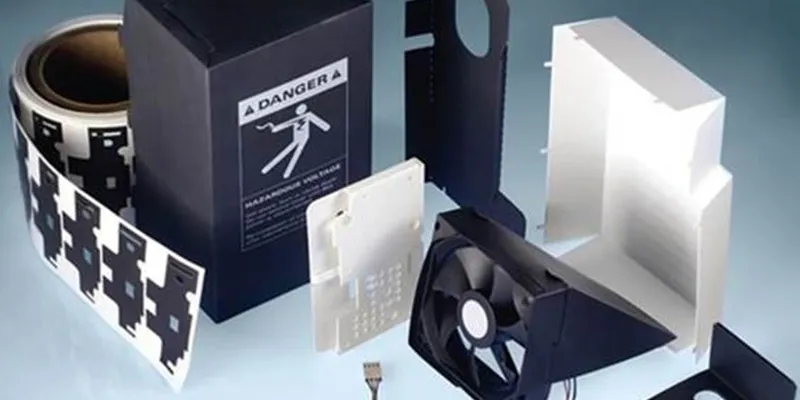
Films
-
Polymide Film (Kapton®)
-
ITW Formex® (Polypropylene)
-
Polyester/PET
Papers
-
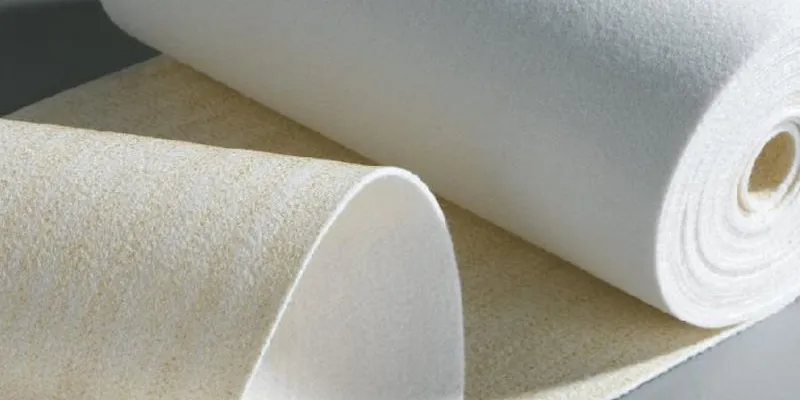
Aramid Paper (Nomex®)
-
Vulcanized Fiber (Fish Paper)
-
Mica
-
Alumina-Silica Fibers
Dielectric Foams
-
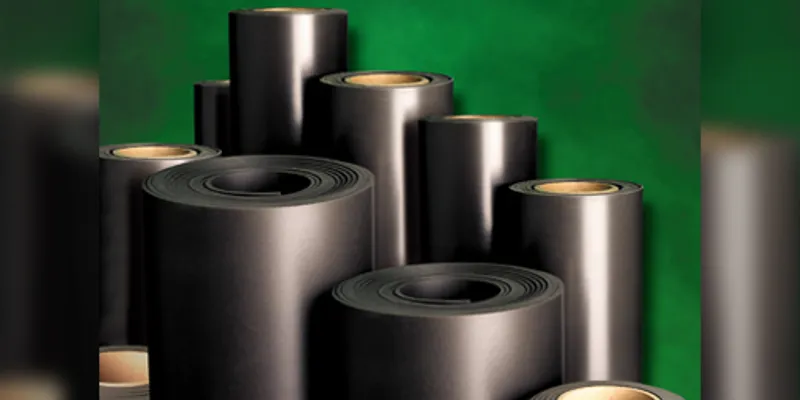
Silicone Foams
-
Polyurethane Foams (Poron)

Pressure-Sensitive Adhesive (PSA) Tapes
-
Non-Conductive Transfer Tapes
-
PET Tape
-
Polyimide Tapes
-
Glass Cloth Tape
Here are a few of the industry-leading material manufacturers we've worked with over the years:
We also work with customer-supplied material. If you have material that you need converted, please reach out to your sales representative or contact us for additional information.






Ask An Engineer: Electrical Insulation Application Q&As
Yes, JBC leverages both online and offline hot & cold multi-layer laminating presses to combine multiple performance materials into a single footprint.
In the context of electrical insulation converting, this might look like adhering a graphite heat spreading layer to a Kapton ® dielectric barrier. The resulting component is a high-performance heat spreader that won’t cause an electrical short when placed on a high-voltage electric vehicle busbar – all without adding extra bulk.
Precision die-cutting plays an important part in preserving the integrity of dielectric materials that manage creepage and clearance distance. Slight defects like inconsistent edge quality, burrs, and dimensional inaccuracies can shrink the distance between conductive components, leading to surface tracking and dielectric failure.
To combat this, JBC employs a multi-step inline vision quality system to catch even the slightest part inconsistencies before they leave our rotary die-cutting presses. We perform real-time dimensional analysis to catch any deviations in the component that would compromise creepage or clearance distance.
Yes, this type of multi-layer lamination is a core capability of JBC. A non-conductive film, like Kapton® can be laminated to a conductive copper foil to create a dielectric barrier that also prevents crosstalk and EMI/RFI.
JBC sources its materials from a diverse range of industry-leading materials suppliers. We’re proud to be an Avery Dennison ADVantage Converter, 3M™ Preferred Converter, and a Rogers Major Converter.
Yes, dielectric materials act as the catalyst-preventor for electrical arcs that generate intense localized heat. On their own, dielectric materials don’t do much to manage the heat once it’s generated, but they play the crucial role of preventing arcs and short circuits that lead to fires and thermal runaway events in the first place. Materials like Kapton and Mica maintain their dielectric strength even under extreme heat.
Yes, JBC’s inline island placement capabilities allow us to strategically encapsulate smaller conductive foils within a larger dielectric component as they pass by on our high-speed multi-station rotary die-cutting presses. This is a key strategy for increasing creepage distance without increasing the physical footprint of the component.
More Information on Electrical Insulation Materials
Frequently Asked Questions ITW Formex

ITW Formex™ is an innovative flame-retardant electrical insulation and barrier material. Flame-retardant materials provide superior electrical insulation in industrial and consumer electronic equipment. Learn more about die-cut ITW Formex™ material in this helpful Q&A!
Tackling Electrical and Thermal Runaway In Battery Storage
Are you having difficulty balancing cost, scalability, safety, and quality in your e-mobility or battery energy storage system (BESS) designs? Looking for a scalable solution for electrical insulation or thermal runaway mitigation? Join industry experts from 3M and JBC Technologies for a webinar that tackles these challenges and more.

Build Better Batteries: Overcoming Thermal and Electrical Challenges
Preventing electrical arcs, shorts, and thermal runaway is critical for a battery's safety and longevity. Solving these challenges requires a collaboration between innovative performance materials and advanced converting techniques. In this on-demand webinar, experts from JBC Technologies and Avery Dennison Performance Tapes discuss the role die-cut performance materials play in solving critical battery challenges in a lightweight, assembly-efficient package.
Isolate and Protect Conductive Components Today!
If you or your team are looking for a high-performance, assembly-efficient, and cost-effective way to solve electrical management challenges, we’d love to help!
Founded on the pillars of engineering innovation, manufacturing excellence, and supply chain optimization, JBC Technologies provides custom die-cut electrical insulation solutions that prevent electrical arcs and manage creepage & clearance across a wide range of industries. Leveraging our diverse die-cutting and value-added converting capabilities, we add value throughout the entire product lifecycle to provide scalable support from prototype to high-volume production.