
Target Unwanted Noise, Vibration & Harshness with Precision Die-Cut Acoustic Insulation & Sound Damping
JBC Technologies converts various engineered flexible materials, including open-cell foams, specialized acoustic foams, and synthetic blankets, into custom assembly-ready components that manage unwanted structural and airborne noise, vibrations, buzzes, squeaks, and rattles (BSR) across many critical industries.
Using state-of-the-art vertically integrated converting capabilities and industry-leading material-supplier relationships, we help tier suppliers and OEMs solve a range of acoustic insulation and sound-damping challenges with automation-ready die-cut components.Custom Die-Cut Materials that Reduce Noise and Mitigate Harsh Vibrations
What is Die-Cut Acoustic Insulation?
Die-cut acoustic insulation refers to the process of converting engineered flexible materials, including open-cell foams, fibrous felts, film-faced composites, and high-mass damping materials, into usable custom components that control unwanted noise, vibration, and harshness at the source or enclosure level.
Die-cut acoustic insulation addresses noise and vibration in two main ways:
- Air-borne noise control - Absorbs and attenuates noise that travels through the air (fan noise, airflow turbulence, audible mechanical noise)
- Structure-borne noise control – Dampens vibrations and reduces structural resonances to mitigate vibration energy turning into audible sound (vibrations, squeaks, engine hum, impacts)
 Unlike traditional bulk insulation, custom die-cut acoustic components are designed to be integrated into specific geometries, noise paths, and assembly constraints.
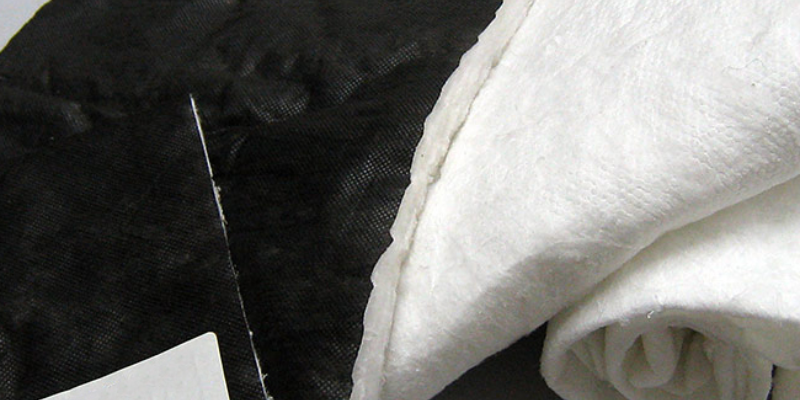

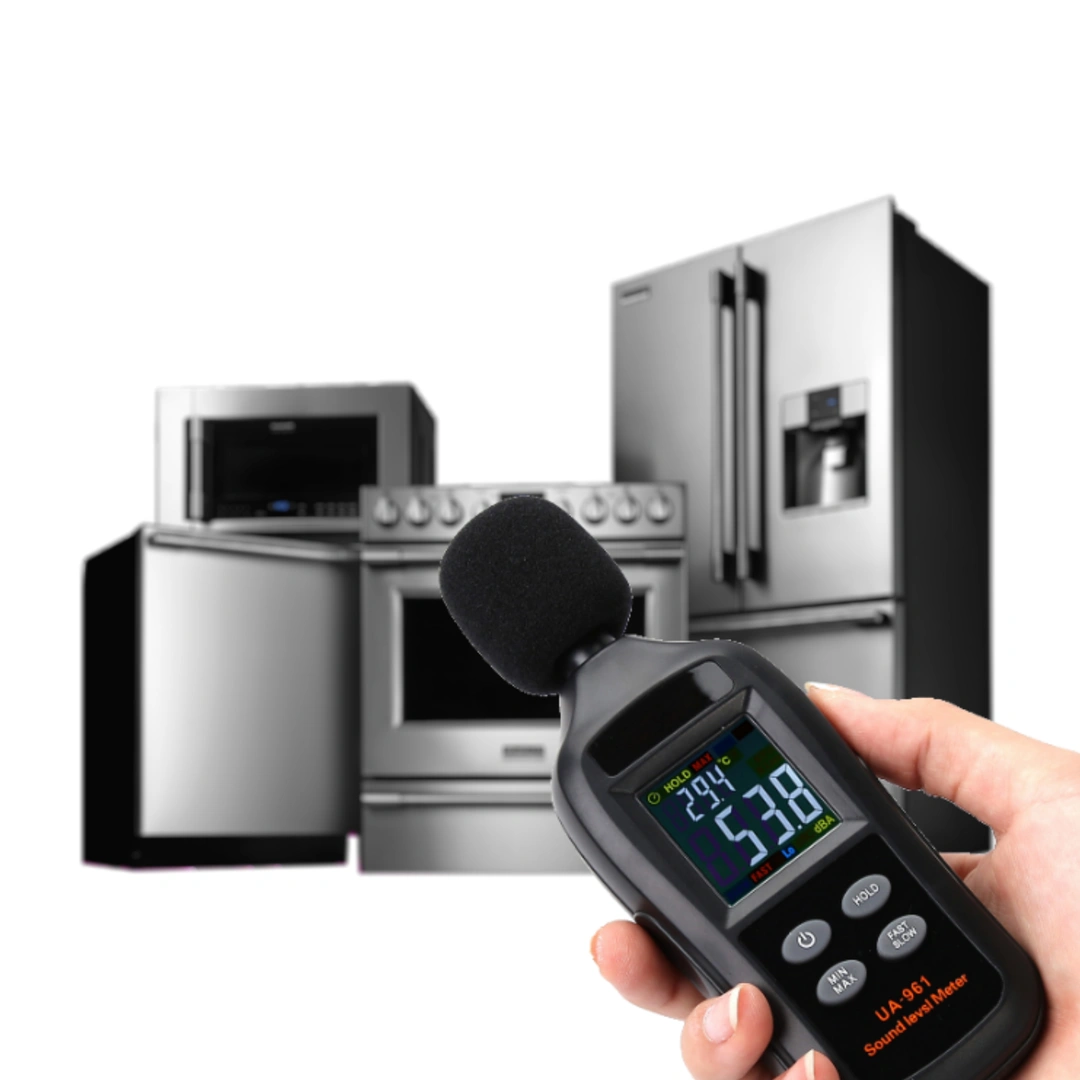


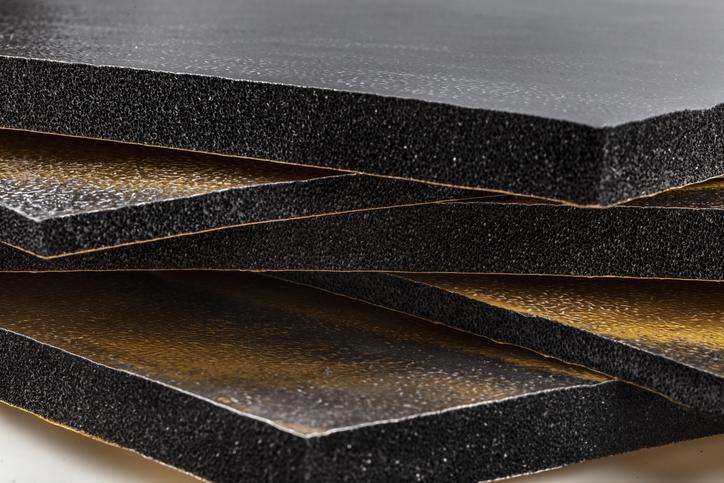
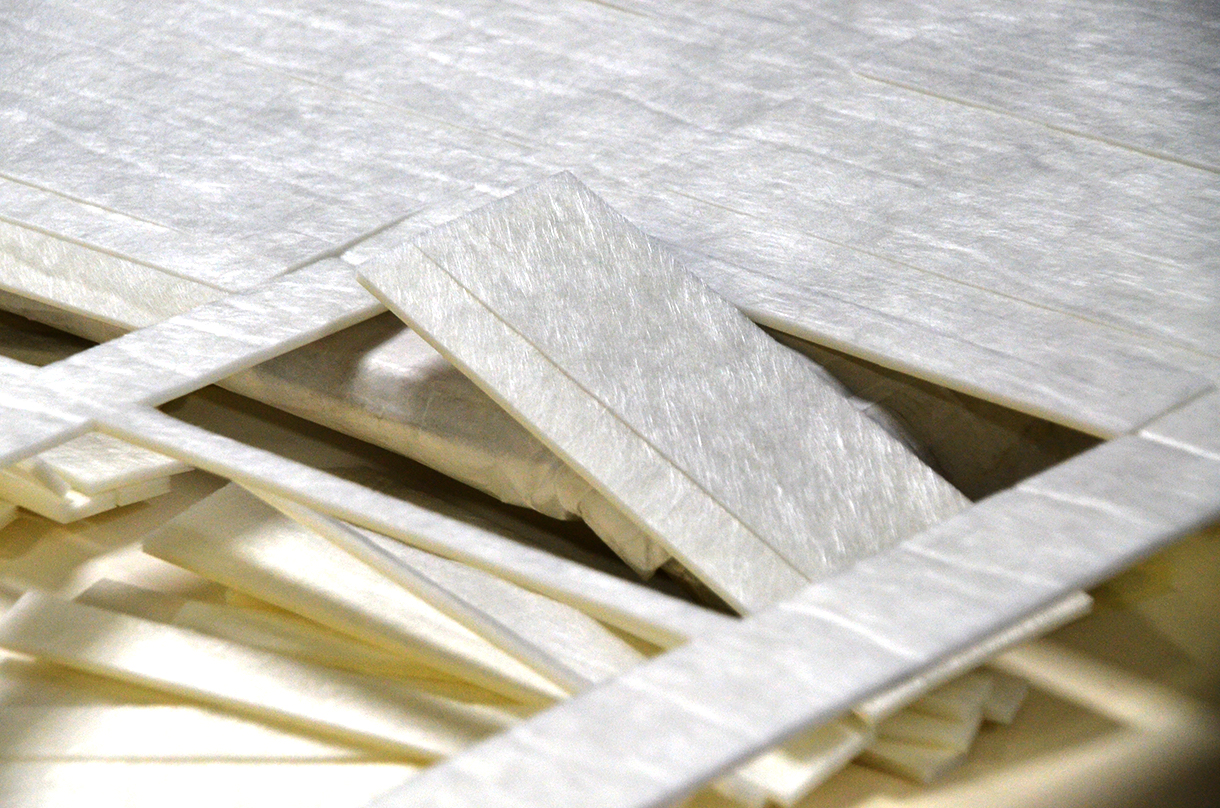

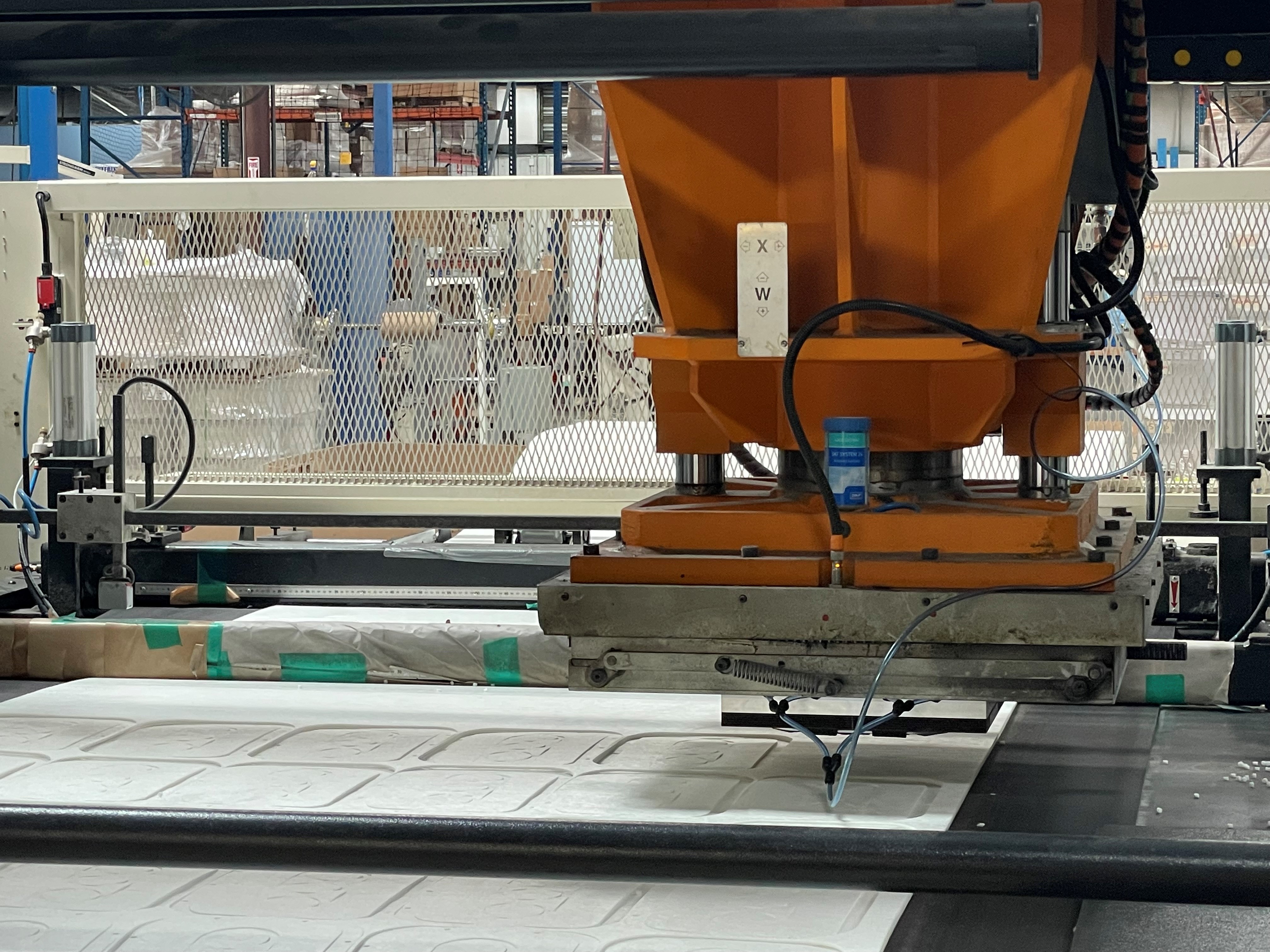
The Role of a Converter The bridge between "raw material", and "assembly-ready component"
A converting partner plays the integral role of transforming these raw acoustic materials into assembly-friendly components that can be efficiently integrated into specific assemblies. From managing cabin noise in electric vehicles to masking the low-frequency hum of various appliances, a skilled converter is needed to make these engineered materials usable in the real world.
A vertically integrated converter like JBC adds value through:

Optimized part presentation for improved assembly efficiency (pull-tabs, extended liners, kitted parts)


To learn more about what sets JBC Technologies apart from other converters, check out the JBC Advantage!
Why Engineers Choose JBC for Custom Acoustical Insulation Solutions
Reduce, Absorb, and Isolate Unwanted Sound with Custom Converting
Die-cut noise, vibration, and harshness components come in many different shapes and sizes. From custom gaskets and seals to anti-squeak materials, engineers turn to die-cut NVH components to solve a range of critical industry challenges:
Industry Focus |
Key Engineering Challenges |
Common Materials |
Application Examples: |
|---|---|---|---|
Achieving high-performance noise attenuation in spaces that are subject to extreme temperature swings and vibrations |
|
|
|
Preventing acoustic loading and high-decibel pressure that damages sensitive satellite equipment during launch and re-entry while meeting low-outgassing requirements |
|
|
|
Masking low-frequency engine hum in space-constrained engine compartments & firewalls |
|
|
|
Addressing high-frequency electronics/engine wine in low-NVH environments where lightweight is key |
|
|
|
Attenuating the 24/7 hum of high-power inverters while meeting strict noise ordinances |
|
|
|
Managing noise in confined spaces in appliances and HVAC units while ensuring moisture and chemical resistance |
|
|
Managing Noise vs. Vibration: What's the Difference?
As we've established above, noise and vibration are two sides of the same coin - the difference is that unwanted noise travels through the air, and vibration across surfaces and physical objects. Both can be addressed with die-cut acoustic insulation components.
Although they're similar, the materials and strategies used to solve each may vary:

Managing Noise
Managing noise can typically be done in one of two ways:
- Sound blocking -
Sound blocking physically stops the sound from passing through a component, reflecting the acoustic energy back towards the source. Sound blocking requires high-mass materials like high-density polyurethanes and silicone solids.
EX: Rogers BISCO® HT-200 & HT 6000 Series
- Sound Absorption -
Sound absorption essentially acts as a sound sponge, trapping the acoustic energy within the material and converting it into minor thermal energy. Sound absorption typically requires porous, low-density materials to create a challenging path for the sound wave to travel through.
EX: Rogers PORON® 92-09 & BISCO MF1

Managing Vibration
Unwanted vibration can be mitigated using two distinct strategies:
-
Vibration isolation -
Isolation localizes unwanted vibration, preventing it from traveling from one place to another. Soft, high-deflection elastomeric foams are typically used to isolate vibration.EX: Rogers PORON®
-
Vibration damping -
This helps dissipate energy caused by unwanted vibration by turning into small amounts of thermal energy. Vibration-damping materials are viscoelastic, meaning they bend and stretch with the surface they're adhered to which helps convert the kinetic energy into faint heat.EX: Rogers BISCO®
Common Acoustical Insulation Materials We Convert Foams, Films, and Multi-Layered Composites that address NVH and BSR challenges
From managing buzz, squeak, and rattle (BSR) to minimizing harsh vibrations, JBC sources die-cut performance materials that solve acoustic insulation challenges from a diverse range of industry-leading material manufacturers.

Acoustic Foams

Fibers and Non-Wovens

High-Mass Damping Materials
-
Mass-loaded vinyl (MLV)
-
Constrained layer dampeners (CLD)

Multi-Layered Composites
-
Foil-faced fiberglass blankets
-
Film laminated fibers
-
Adhesive-backed films and foams
Ask and Engineer: Acoustic Insulation Q&A
Reducing noise at the source level focuses more on mechanical vibration damping. Die-cut gaskets, seals, dampers, and spacers convert direct vibrational energy into low-grade heat to help mitigate the noise.
Addressing noise at the enclosure level focuses more on die-cut components that absorb air-borne noise by preventing noise from escaping cavity.
Yes, JBC leverages our vertically integrated multi-layer laminating capabilities to combine acoustic insulation and vibration-damping materials with thermal reflectors, like aluminum foil, to help mitigate the thermal energy generated by vibration-damping.
JBC sources our acoustic insulation components from a diverse list of industry-leading material manufacturers. We take a vendor-agnostic approach to material sourcing, meaning we help you identify and source the right material for your project, regardless of brand.
JBC is proud to be a 3M Preferred Converter, a Rogers Major Converter, and a part of the Avery Dennison ADVantage Converter system.
Air-borne and structure-borne noise are two distinct challenges that require unique die-cut solutions to properly address.
Air-borne noise: This is sound that travels directly from a source through the air. It can be mitigated using die-cut components that absorb or trap the sound and prevent it from escaping an enclosure.
Structure-borne noise: This type of noise is generated by vibrations that travel through solid materials, requiring die-cut components that directly break or dampen the vibration path.
Related Reading: More About Solving NVH Challenges

Eliminating NVH When Lightweighting is a Priority

This post highlights some material solutions that will help design engineers achieve quieter, lighter products that minimize noise, vibration, and harshness (NVH) and meet today’s lightweighting standards.

Eliminating Shake, Rattle & Roll Part 1: Solutions for Reducing NVH
Gaskets, seals, foams, tapes, and other die-cut materials help to dampen and eliminate sound and vibration. This post provides insight into the types of materials that work best to solve common noise, vibration, and harshness (NVH) challenges.

Eliminating Shake, Rattle, & Roll Part 2: When Things Get Heavy
Addressing the noise, vibration, and harshness produced by heavier objects like these requires a particular approach and die-cut materials that can hold up under extreme weight, weather, and other conditions. This blog highlights how custom die-cut components help manage shake, rattle, and roll under extreme weight.

Acoustical Insulation Selection: How to Find the Right Material for Unwanted Sound
There are a variety of factors that can dictate which acoustical insulation material is best for sound damping or absorption. This blog will help you learn what it takes to identify the right die-cut acoustical materials for different applications.

Solving Noise Problems with 3M™ Acoustic Management Materials & Precision Die-Cutting
Quieter often means quality, especially when it comes to consumer appliances and electronic devices. Today, as part of our partner spotlight series, we are pleased to be able to share insights offered by 3M™ Advanced Application Engineer Rodrigo Marmol, and Converter Markets Specialist Scott Piper on precision die-cutting solutions for acoustic management -- and how 3M™ works with materials converters like JBC Technologies to help stop the buzzes, squeaks, and rattles before they start.

Converted Material Solutions for Noise, Vibration, and Harshness
In this article, we break down the 5 main factors to consider when designing die-cut noise, vibration, and harshness (NVH) components, the science behind strategic noise management, and provide examples of innovative sound insulation materials.
Eliminate Unwanted Noise and Vibration Today with JBC Technologies
As an ISO 9001 Certified vertically integrated converter, JBC Technologies works with you to provide value throughout the entire product lifecycle for acoustic insulation components – from design-validating prototyping runs to high-volume mass production lines.
JBC Technologies was founded on the pillars of engineering innovation, manufacturing excellence, and supply chain innovation. We leverage our process engineering expertise and relationships with industry-leading material manufacturers to bring you assembly-ready, functional acoustic insulation components for the automotive, aerospace, energy storage, and general industrial industries and beyond.
Are you looking to manage or eliminate unwanted noise & vibration?