CUSTOM PRECISION DIE CUTTING SOLUTIONS FOR THE MEDICAL INDUSTRY
As a U.S.-based ISO 13485 Certified & FDA-Registered converter and medical contract manufacturer, JBC Technologies helps medical startups and OEMs optimize and scale the production of their critical die-cut medical device components and products. Through a combination of process engineering expertise, stringent quality frameworks, status as a Solventum Premier Converter, and advanced cleanroom die-cutting capabilities, we transform innovative medical-grade materials into functional medical components.

Precision Converting for Critical Medical Components Wearable device components, diagnostics, dressings, wound care, durable medical goods, and more!
JBC is a U.S-Based full product lifecycle partner for precision medical-device components. We ensure every one of your critical quality, regulatory, and performance requirements is reflected throughout each step of the converting process. Our core pillars of process engineering innovation, manufacturing excellence, and supply chain optimization all drive our ability to convert raw medical-grade materials into functional medical components.
Look to JBC for:


Industry-Leading Vendor Relationships

Inline Vision Quality Systems


Medical Die-Cutting Applications We Support

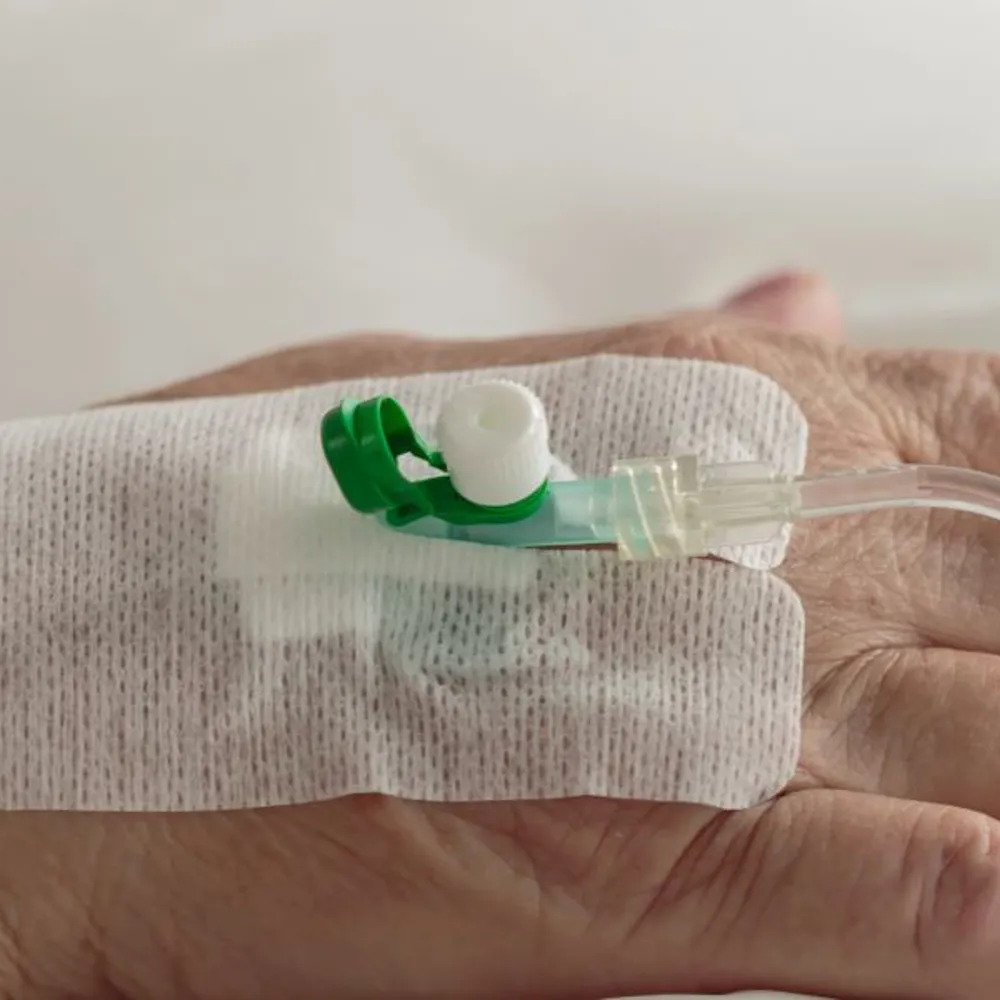
Die Cutting For Advanced Wound Care & IV Dressings

JBC has experience in die-cutting and converting a wide range of biocompatible medical-grade hydrocolloids, nonwovens, foams, and semi-occlusive materials into skin-safe dressings and wound care solutions. As an ISO 13485 Certified converter with multiple class 8 cleanrooms, we specialize in multi-layer laminating and value-added rotary die-cutting for transparent wound dressings, wound closure strips, and negative pressure wound therapy (NPWT) dressings.

Custom Die-Cut Tapes for Disposable Skin-Contact Patient Monitoring Devices
JBC helps wearable device startups and OEMs manufacture biocompatible skin-contact patient monitoring devices and device components through a combination of sophisticated rotary die-cutting, strategic relationships with medical-grade material suppliers, and process engineering expertise. From pulse-oximetry bandages to double-sided attachment layer tapes, we can help you source and die-cut the proper skin-safe wearable device materials for your project.
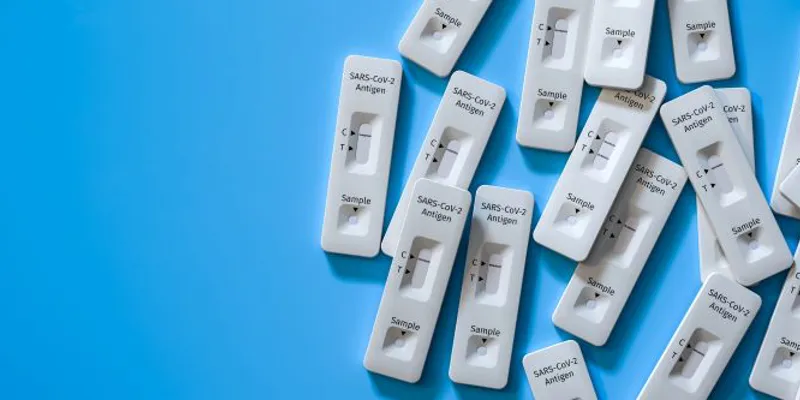
Die-Cutting for Medical Diagnostics and Point-of-Care Solutions
JBC leverages a diverse arsenal of advanced converting capabilities for die-cut medical diagnostics and point-of-care kits. From tight-tolerance slitting of filter media, rapid testing media, and adhesives to clean-room processing, multi-layer lamination, and complex island placement, we employ multi-camera inline vision systems and stringent ISO 13485 quality process frameworks to ensure each diagnostic component that comes off our presses meets your high-quality standards.

Die-Cut Seals, Gaskets, and More for Medical Durable Goods & Equipment
JBC converts many medical-grade adhesives, hook and loop fasteners, foam, acrylic foam tapes, filter membranes, and other materials for use in die-cut medical device durable goods. From gaskets and seals to thermal and acoustic insulation to EMI/RFI shielding, we provide precision converting solutions for many medical durable goods and equipment components.
Are you developing an application you don't see up here?
MEdical manufacturing Excellence:
THE JBC Advantage
When you work with JBC, you gain access to an ISO 13485 Certified die cutter and materials converter that emphasizes both quality and innovation. Our engineering focus allows us to measure and control quality while uncovering ways to add value to both your components and manufacturing process. We serve as a technical resource to help solve problems and streamline your manufacturing processes through part designs that emphasize part presentation, composition, and packaging.

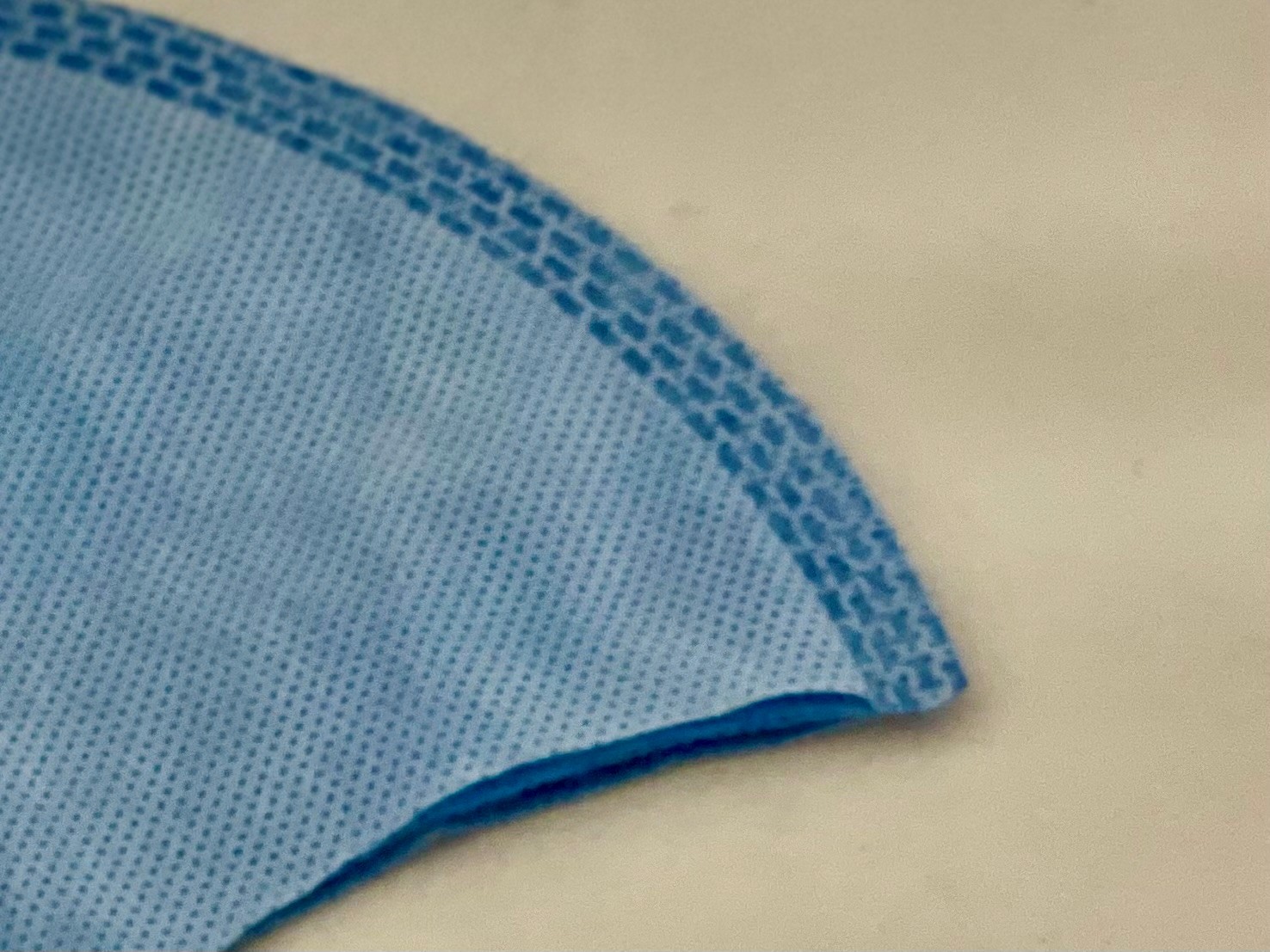
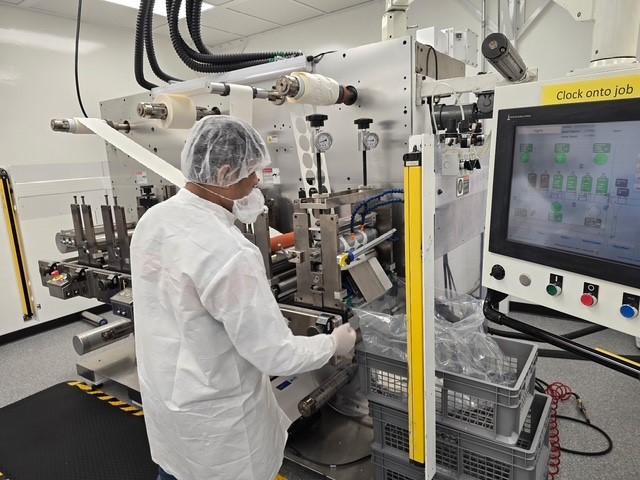

ISO 13485 Certified Quality in Controlled Environments: Quality Management Capabilities
 Partnering with a high-quality medical die-cut solutions provider, like JBC Technologies, means each step of the converting process is optimized to reduce risk, maintain precision, and ensure cleanliness.
The result? A repeatable, scalable process that ensures your first component will be as high-quality as the millionth. Let's look at what makes up JBC's medical-grade quality toolkit:

ISO Class 8 Cleanroom Environments
JBC is home to multiple class 8 cleanroom manufacturing environments, each featuring a diverse range of advanced die-cutting and converting equipment. For sensitive medical components and skin-contact devices, cleanroom capabilities are necessary to prevent contamination, maintain particulate count, and ensure product success.

Process Validation
Here at JBC, process engineering expertise is a pillar of the JBC Advantage, but it’s also a crucial part of our medical converting quality management toolkit. Through IQ (installation qualification), OQ (operational qualification), and PQ (process qualification), we ensure that our converting process is repeatable and efficient under real-world conditions. See Q&A # 2 for more information.

In-Line Vision Quality Management System
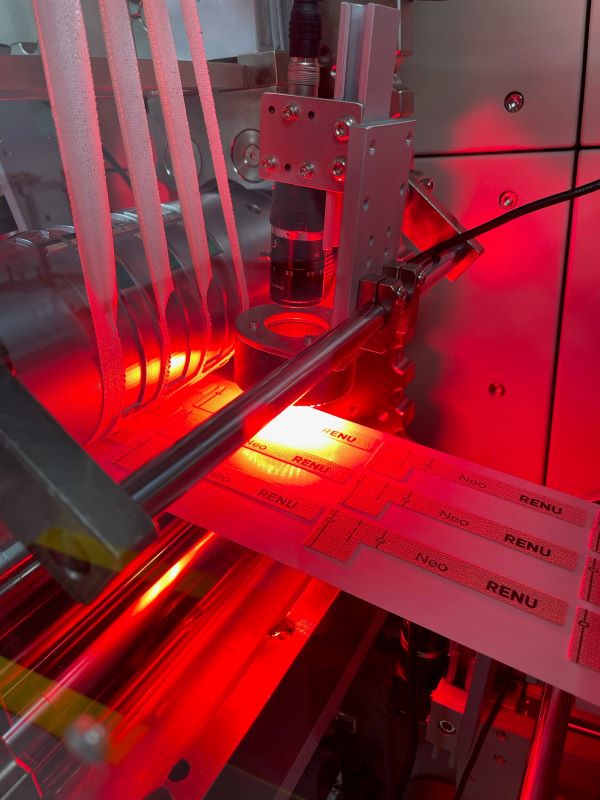
For high volumes of sensitive medical components, small defects gone undetected can spell disaster for an entire production run. JBC’s multi-camera in-line vision quality system utilizes a good, better, best defect detection system to catch large part inconsistencies and minor defects before they ever leave the press. This helps us catch defects early and prevent wasted material and precious machine downtime.
High-Performance Medical-Grade Materials for Skin-Safe Device Manufacturing and Patient Care
Addressing key medical engineering challenges with cutting-edge materials and innovative converting processes.
From biocompatible skin-adhesion to thermal management for medical electronics, medical device components are only as good as the materials they’re made of. JBC converts a wide range of medical-grade materials into functional components designed to meet rigorous standards and performance requirements.
USE THE GUIDE BELOW TO MATCH YOUR SPECIFIC ENGINEERING GOAL TO A REPRESENTATIVE MATERIAL SOLUTION:
When Your Goal Is To... |
Consider |
The JBC Advantage |
|---|---|---|
Ensure skin-safe biocompatible adhesion for long-term skin contact wearables |
|
As a Solventum Premier Converter, JBC has extensive experience sourcing, processing, and transforming innovative medical-grade skin contact adhesives into functional components for stick-to-skin wearable device attachment. |
Protect the integrity of sensitive wound-contact layers through “high-purity” processing |
|
ISO 13485 Certification and Cleanroom Manufacturing – JBC’s commitment to following our ISO 13485 Quality Framework and Class 8 cleanroom manufacturing capabilities ensure that even the most sensitive wound dressing and surgical drape components are contamination and particulate-free when they leave our facility. |
Seal, cushion, and protect durable medical equipment from shock, vibration, and outside contaminants |
|
Advanced Die-Cutting Capabilities – From wide platen presses to multi-spindle rotary die-cutting machines, JBC is home to a diverse fleet of die-cutting equipment that’s able to accommodate different material thicknesses, widths, and part design complexities. |
Insulate and shield sensitive medical device electronics |
|
Rapid prototyping – JBC’s rapid prototyping capabilities allow you to quickly test different materials and designs, to make sure your design is ready for full-scale production. |
Enable precise fluid control in diagnostics and testing media |
|
Tight tolerance slitting and laminating – Slight defects, no matter how slight, can severely hurt the accuracy of diagnostic testing components. JBC’s tight tolerance laminating and slitting capabilities ensure the accuracy of diagnostic test kits is not harmed slight deviations in part dimensions. |
These are just a few of the industry-leading medical-grade material suppliers we work with:
We also work with customer-supplied material. If you have material that you need converted, please reach out to your sales representative or contact us for additional information.





Medical Die-Cutting and Converting: Answers to Common Questions
ISO 13485:2016 is an international standard for Quality Management Systems (QMS) for manufacturers in the medical industry, ensuring that die-cutting and converting services meet stringent requirements for safety and quality. For a medical die-cutter and contract manufacturer like JBC Technologies, being ISO 13485 Certified means adhering to a strict framework that governs risk management, full traceability for medical-grade materials, and process validation. In short, being an ISO 13495 Certified converter ensures the entire die-cutting process is controlled for maximum traceability, quality, and repeatability.
IQ (installation qualification), OQ (operational qualification), and PQ (process qualification) are the three pillars that make up process validation, ensuring that the converting process is robust and repeatable:
- Installation Qualification (IQ) - This ensures that all of our physical die-cutting and converting equipment has been installed and integrated correctly.
- Operational Qualification (OQ) - This is where we test and verify our equipment's "operating window", confirming that our process operates reliably within defined limits and produces acceptable output across worst-case scenarios.
- Performance Qualification (PQ) - This is where we guarantee that the entire process can repeatedly produce consistent high-quality parts under real-world conditions, making sure every lot meets your specifications and quality requirements.
Change Control is managed through a formal, risk based process that evaluates the impact of any proposed change to materials, tooling, processes, suppliers, or inspection methods. Each change is reviewed for potential effects on form, fit, function, and regulatory compliance, with required customer notification, approvals, and revalidation completed before implementation. This ensures product integrity and regulatory compliance are maintained throughout the product lifecycle.
Our multiple cleanroom manufacturing environments are ISO Class 8 Certified, designed to allow a maximum of 3,520,000 particles per cubic meter of air, as outlined by ISO 14644 guidelines.
Material risk is mitigated through dual‑sourcing strategies, approved alternate materials, supplier agreements, and proactive forecasting aligned to customer demand. Where appropriate, safety stock or bonded inventory programs are implemented, and material lifecycles are monitored to avoid obsolescence. Early engagement with customers allows mitigation strategies to be deployed before shortages impact supply continuity.
DFM support begins early in NPI through collaborative design reviews focused on material selection, geometry, tolerances, and assembly compatibility. Converting specific constraints—such as minimum feature sizes, cut spacing, liner strategy, and process capability—are reviewed to reduce risk and cost. Prototyping and pilot builds are used to validate assumptions before full scale production.
Slug removal challenges are addressed through a combination of tooling design, cut sequencing, material selection, and process controls. Techniques may include low tack liners, vacuum assist, ejection features, optimized blade spacing, or design modifications to improve manufacturability. These approaches help ensure clean part release without damaging delicate features or slowing production.
Yes, JBC is very capable of die-cutting and converting differential double-sided medical-adhesives for a wide range of medical and consumer wellness applications. Differential double-sided adhesives are commonly found in attachment layer tapes in medical device stack-ups and in consumer wellness products like fashion tapes.
Higher‑modulus (stiffer) substrates tend to resist conformability, which can lead to edge lift, discomfort, and reduced wear‑time—especially on contoured anatomy. Lower‑modulus or elastomeric substrates better accommodate movement and curvature, improving adhesion longevity and patient comfort. Balancing stiffness, thickness, and elastic recovery is critical for extended‑wear applications.
To determine which substrate, or carrier layer, is right for your medical adhesive stack-up, it's critical to perform real-world wear tests to ensure the patch you've designed actually holds up in practice. JBC's rapid prototyping capabilities allow you to quickly test form, fit, and function for a wide range of medical-grade materials.
Liner release force must be tightly controlled to ensure consistent, reliable part presentation during automated pick‑and‑place or peel‑and‑apply operations. Excessive release force can cause part deformation or misfeeds, while too little force can lead to premature release or handling issues. Proper liner selection and validation are essential for stable high‑speed automation.
JBC utilizes a multi-camera inline vision defect detection system to guarantee that each medical component that leaves our presses is defect-free - from small prototype runs to thousands of high-volume components. Our multi-camera system follows a good, better, best process:
Tier 1: Presence/Absence Analysis - For lower risk components, a pattern recognition system verifies part counts and identifies the presence or absence of critical design features.
Tier 2: Verifying Part Dimensions - Tier 2 leverages a more advanced system that goes beyond identifying crucial design features and measures part dimensions in real time to catch even the slightest deviations.
Tier 3: Any Defect, Anywhere - This is the most stringent tier, powered by an AI-driven any defect, anywhere system that can be trained to identify even the slightest imperfections in each component.
Key DFM constraints include minimum feature sizes, blade to blade spacing, material thickness limits, achievable tolerances, liner strategy, and compatibility with high volume processes. Designs with unnecessary cut outs, extremely tight internal radii, or unsupported material behaviors increase risk and cost. Early DFM collaboration ensures the design aligns with converting capabilities while meeting functional requirements.
While the initial price tag for offshore medical device manufacturing looks better on paper, many of the "hidden" costs and challenges associated with offshore manufacturing can quickly drive this number up and slow your supply chain.
Offshore manufacturers are subject to fluctuating tariffs, quality risks, slow overseas supply chains, trade disputes, and geopolitical uncertainty. What began as a cheap unit cost on paper can quickly become a tariff-laden, expensive, and delayed project.
The benefits of working with a domestic converting partner are not directly reflected in the initial per-unit price, but rather in the lowered Total Cost of Ownership (TCO) and improved supply chain resiliency and responsiveness you receive in return. Medical-OEMs and startups benefit from:
- Improved go-to-market speeds
- Supply chain resilience & responsiveness
- No fluctuating tariff costs
- Increased quality and consistency
Check out this blog for a deeper dive into the benefits of working with a U.S-based converting partner: Tariffs, Tension, and Opportunity: The Importance of U.S-based Manufacturing
Adhesive performance through sterilization depends on chemistry and construction. Many acrylic-based medical pressure-sensitive adhesives perform well through both EtO and Gamma, while some rubber-based systems may be more sensitive to radiation exposure. Adhesive selection is validated against the specific sterilization method, dose, and post-sterilization performance requirements to ensure bond integrity is maintained.
From Prototype to Production:
Key Factors to Inform Your Product Scale-up
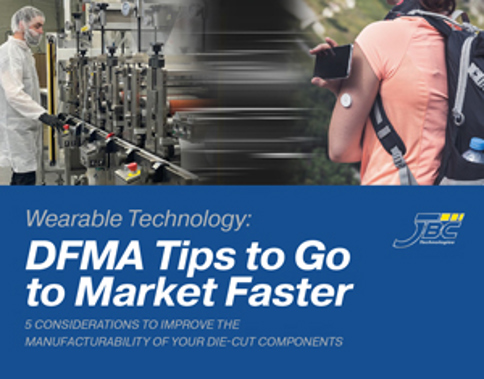
In this helpful E-Guide, DFMA Tips to Go to Market Faster: 5 Considerations to Improve the Manufacturability of Your Die-Cut Components, we cover 5 important considerations to keep at the forefront of your mind when designing die-cut medical device components, including:
-
1. Product Scale Up Schedule
-
2. Regulatory Requirements
-
3. Device Construction
-
4. Manufacturing/Packaging/Delivery Requirements
-
5. Device Application
Learn More: Read our e-Book!
Precision Medical Die-Cutting and Converting Toolkit
What manufacturing capabilities make JBC a leader in medical die-cutting and contract manufacturing?
Medical component and device manufacturing demands a specialized set of advanced die-cutting and converting capabilities…
High-Volume Rotary Die-Cutting
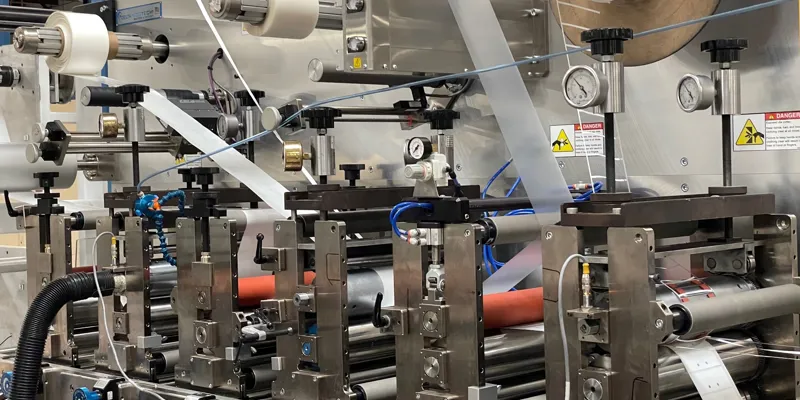
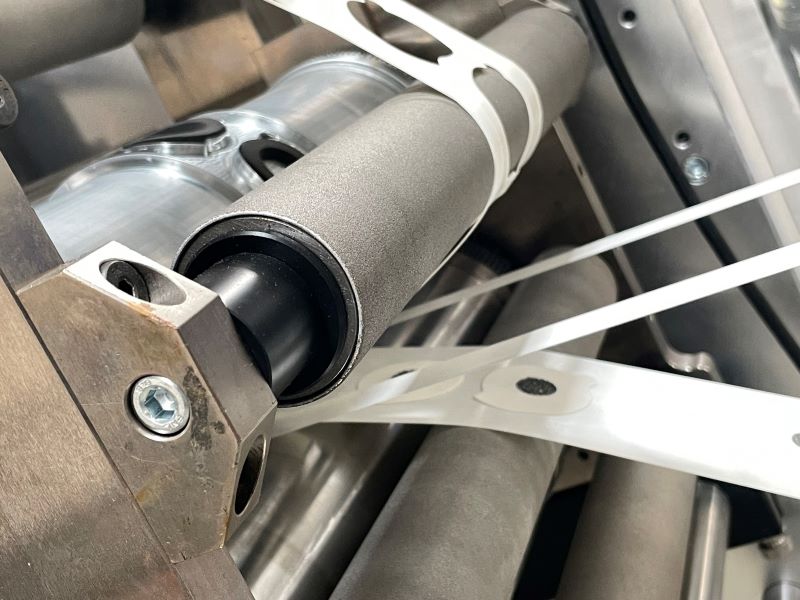
Our multi-station advanced rotary die-cutting capabilities are at the core of how we convert various medical-grade materials into multilayered wound care and stick-to-skin medical components. Our multi-spindle machines feature inline capabilities like inline printing, laminating, ultrasonic welding, slitting, and more, allowing us to complete more with a single machine pass.
The result?
Faster production throughput, lowered total cost of ownership, and increased overall efficiency for thousands of identical components.
Rapid Prototyping

JBC offers high-speed, rapid toolless prototyping services for sensitive medical devices and device components. Our prototyping services are powered by our digital cutting capabilities, allowing you to quickly perform fit, form, and function testing before scaling into high-volume manufacturing without the need to invest in any expensive tooling.
The Result?
A responsive and cost-effective way to quickly test different materials and medical component designs with little investment, helping you go-to-market quickly and scale even faster.
Multi-Layer Laminating
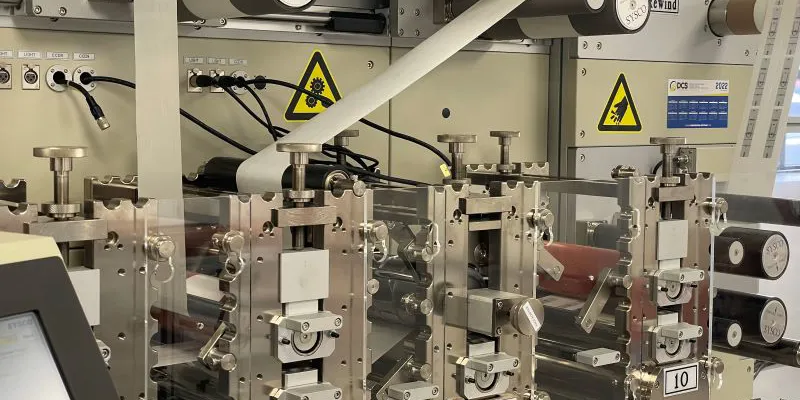
Our complex, inline multi-layer laminating capabilities are crucial to our ability to manufacture many complex medical components, like stick-to-skin biosensors and multi-layered wound care patches. Our laminating capabilities include precision slitting and back scoring, corona treatment for low-surface energy materials, and inline multi-layer registration capabilities.
The result?
Increased production throughput via high-speed inline processing, yielding multi-functional components with minimal material waste.
ISO Class 8 Cleanrooms

For sensitive medical components like surgical drapes, wound care dressings, and diagnostic test strips, JBC leverages multiple ISO 8 Class 100,000 Cleanroom manufacturing environments to ensure each component meets stringent particulate and cleanliness standards as outlined by ISO 14644 guidelines. Our cleanrooms feature dedicated high-speed rotary presses, inline lamination, and automated defect detection.
The Result?
Stringent control over particulate count across high-volumes of sensitive medical components.
Island Placement
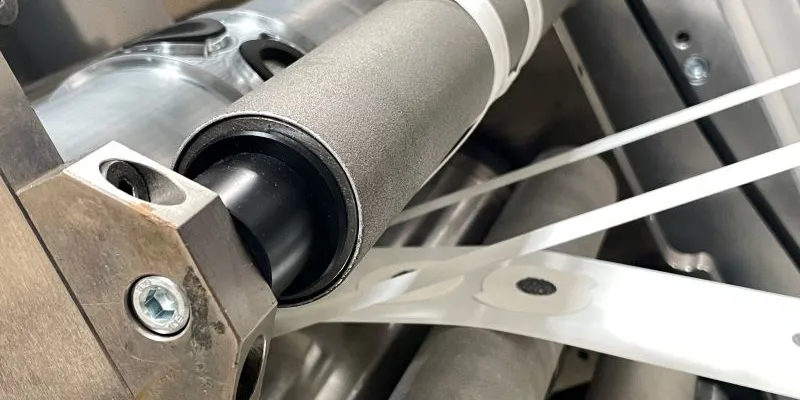
JBC’s intricate island placement capabilities allow us to create strategic adhesive-free zones on skin-contact medical components like wound care dressings and stick-to-skin wearable device attachment tapes. These optimized “dead zones” ensure that these stick-to-skin components adhere only where they're needed and not on any areas that will cause trauma (like open wounds).
The result?
Complex skin-contact components that are ready for immediate use, ensuring reliable adhesion while eliminating the risk of injury during removal.
Packaging and Kitting

Whether you need individually packaged components or automation-ready kits optimized to undergo further processing, JBC provides custom packaging and kitting services for a wide range of critical medical components. From boxes and master sleeves to custom-labeled kits, leveraging our vertically integrated packaging and assembly capabilities is an important step towards a more streamlined supply chain.
The Result?
Customized part presentation, optimized to meet your unique post-processing requirements for a smarter supply chain.
Want to learn more about medical die cutting or how to choose skin contact adhesives?
Check out these informative blog posts.
JBC Technologies: Your ISO 13485 Medical Manufacturing Partner
For critical die-cut medical components, you need a manufacturing partner that is as dedicated to rigorous quality, continuous improvement, and consistency as you are.
Founded on the three pillars of process engineering innovation, manufacturing excellence, and supply chain optimization, JBC Technologies strives to be a full-production lifestyle partner for zero-defect medical component manufacturing from prototype to production.
Are you looking for an ISO 13485 Certified medical die-cutter and converter to help with your next medical project?